Tractor Rental vs. Buying: A Cost Analysis for California Small-Scale Farmers
12/18/2025
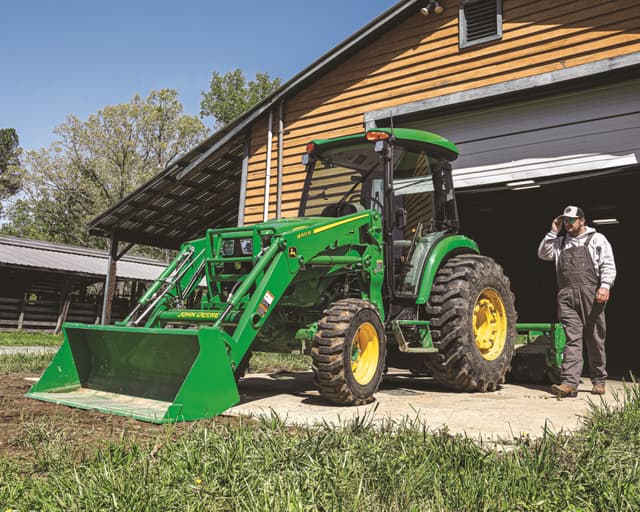
Should you rent your tractor or should you buy it? That's a question that many farmers consider, especially in the current economic environment where equipment prices continue to rise. Both have their advantages and disadvantages, and it's up to the individual farmer to make that decision based on what's best for their small-scale farming operation.
If you're weighing the pros and cons of buying or renting your next tractor, we're here to help you. Here's Belkorp Ag's quick guide to buying vs. renting a tractor for a small-scale farm.
When you own the machines, you get complete control over your equipment. You decide when to use it, how to maintain it, and what attachments to add. For small-scale farmers in the California Central Valley who need reliable access during critical growing windows, having your own tractor means you're never waiting on availability.
Building equity is another significant advantage of buying a tractor over renting. Unlike rental payments that disappear each month, your purchase payments work toward an asset that you will eventually own outright. Once the tractor is paid off, you have a valuable piece of equipment with years of productive life remaining.
Buying also allows you to customize your tractor to your needs and specific crop or livestock operation. Whether you need a particular loader configuration or specialty implements for vineyard work, ownership lets you tailor the machine to your needs.
The upfront cost is the biggest hurdle for most small-scale operations. New tractors represent a huge monetary investment, and even quality used equipment requires a lot of funds. For farmers just starting out or those with tight budgets, this initial expense can strain their finances.
And that’s not even considering maintenance! Maintenance and repair costs fall entirely on you as the owner of the tractor. While regular upkeep keeps a tractor running reliably, unexpected breakdowns can create unplanned expenses during your busiest seasons.
Renting keeps your money free for other investments; you never know when an unplanned expense will arise. Instead of tying up tens of thousands of dollars in a single piece of equipment, you can shift those funds toward land improvements, irrigation systems, supplies, or expanding your operation.
Key advantages of tractor rental include:
Renting also makes sense for specialty tasks you only perform once or twice a year. Why own a high-horsepower machine you'll use for three weeks annually when you can rent one as needed? Renting can be a smart move for many farmers and property owners.
As with buying, renting also has its downsides. Availability can become a challenge during peak seasons. Harvest time and planting windows are busy for everyone, and rental inventory may be limited exactly when you need it most.
Another factor many people don’t consider is that, over time, rental costs add up without building any equity. If you're renting consistently year after year, those payments could eventually exceed what you would have spent if you bought a piece of equipment outright.
You're also limited to what's available in the rental fleet. Your preferred model or configuration might not be an option, and you'll need to adapt to whatever equipment is on hand.
The best choice depends on your operation's size, cash flow, and long-term goals. Farmers who use equipment frequently throughout the year often find ownership more cost-effective over time. Those with seasonal or occasional needs may benefit from the flexibility of renting.
Whether you’re looking to rent or buy your next machine, Belkorp Ag is here to be your premier destination for John Deere equipment and more. We have certified experts in machine ownership on staff who can guide you toward the best financial decision for your operation.
Stop by any Belkorp Ag location across the Central Valley to discuss your options. We look forward to seeing you.