The John Deere 3025E Isn’t for Everyone: Here’s Who Should Actually Buy One
4/27/2026

What Makes the 3025E a Good Tractor?
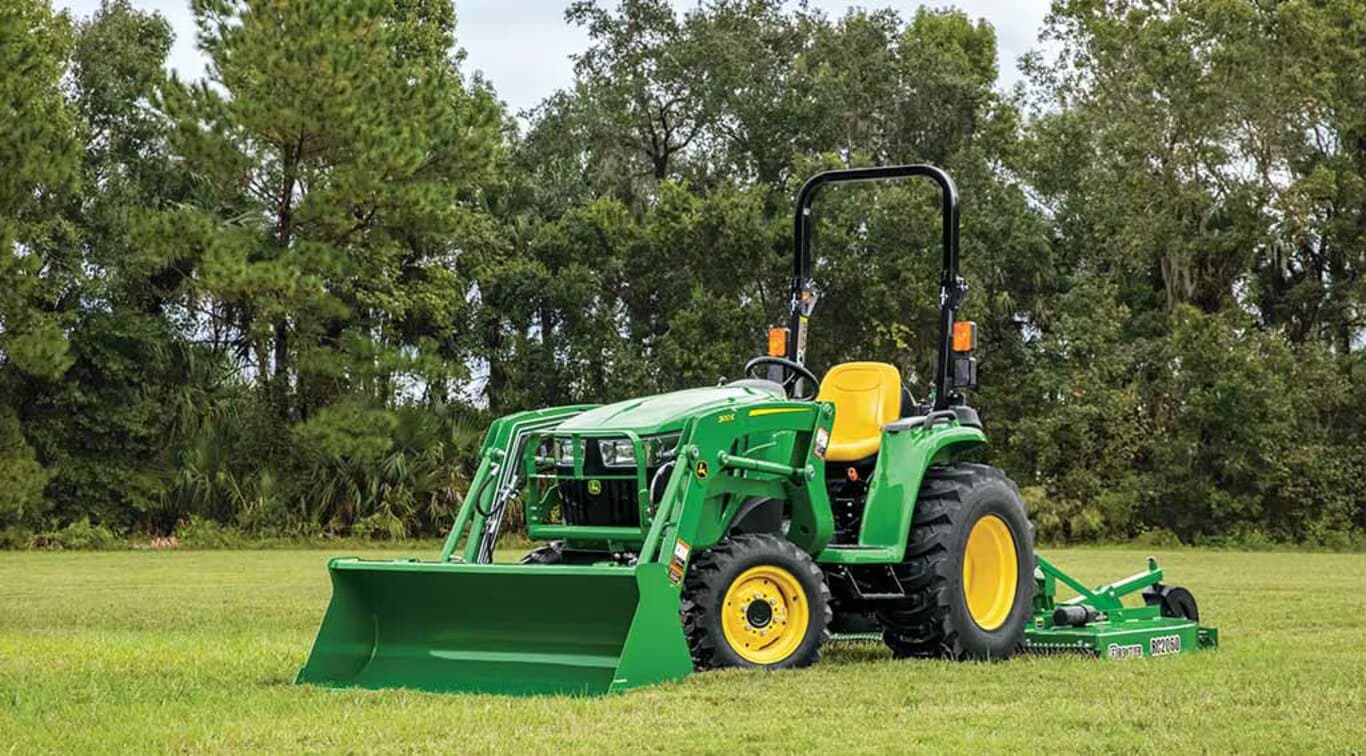
It runs a 3-cylinder Yanmar diesel engine rated at 24.4 horsepower at the PTO, paired with a hydrostatic transmission that gives you stepless speed control without clutching. At 80.1 inches long and 51.8 inches wide, it fits in a standard two-car garage, which matters to homeowners without a dedicated equipment building or barn.
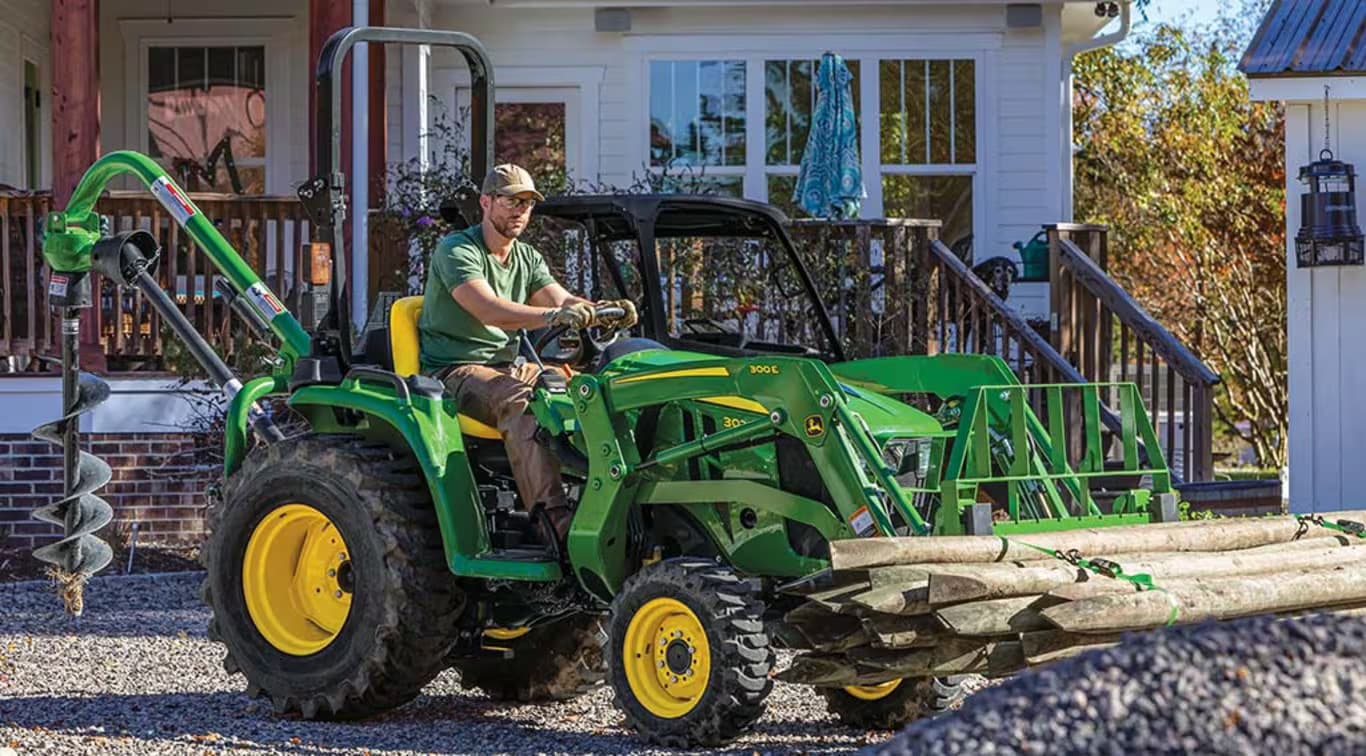
With the optional 300E loader, you can move up to 925 pounds per lift and reach a dump height of 82.7 inches. That covers most material handling tasks on a rural property, from moving compost and gravel to cleaning up after a storm.
What Tasks Does the 3025E Handle Well?
The 3025E performs well on several tasks that farmers and small property owners in California care about the most, including:
The iMatch Quick-Hitch system lets you swap rear implements in a few minutes without tools, which is practical when you need different attachments throughout the week.
Who Should Look at a Different Machine?
Although the 3025E is great for many things, it does have its limitations depending on what you are trying to do. If your operation falls into any of the categories below, you will likely outgrow this tractor faster than the price justifies.
Production row crop farmers need more horsepower, and running a 7-foot disc, a multi-shank subsoiler, or a large sprayer requires a utility tractor in the 50 to 75 horsepower range. The 3025E will struggle under that load since its engine is rated at 24.4 horsepower.
Orchard and vineyard operators with dense row spacing often do better with a purpose-built orchard specialty tractor that has a narrower front axle and better in-row visibility. The 3025E fits some configurations at 51.8 inches wide, but dedicated orchard machines handle those conditions more consistently.
If you are clearing heavy brush or breaking ground in tight clay, the 25-horsepower range shows its limits quickly. Expect two to three times the passes a larger tractor would need to finish the same field.