Here’s How to Maintain Golf Turf Quality in California Winters
2/20/2026
California's winter months present unique challenges for golf course superintendents across the Central Valley. Temperatures may remain milder here than in other regions, but the cooler weather and reduced daylight hours require a strategic approach to turf management. The right equipment and maintenance schedule can mean the difference between playable golf course conditions and disappointed golfers.
Understanding how to prepare and maintain your equipment during winter helps protect your investment and keeps your course looking its best year-round.
Many Central Valley courses utilize warm-season grasses, such as bermudagrass, that naturally go dormant when temperatures drop. To maintain green, playable conditions during winter, superintendents often overseed with cool-season ryegrass. This transition period requires that you pay careful attention to mowing heights, irrigation schedules, and soil health.
Even courses that don't overseed need to monitor soil moisture levels during winter. It's easy to overlook turfgrass water needs during cooler months, but maintaining proper soil moisture will help to support root health and prepare your turf for spring recovery.
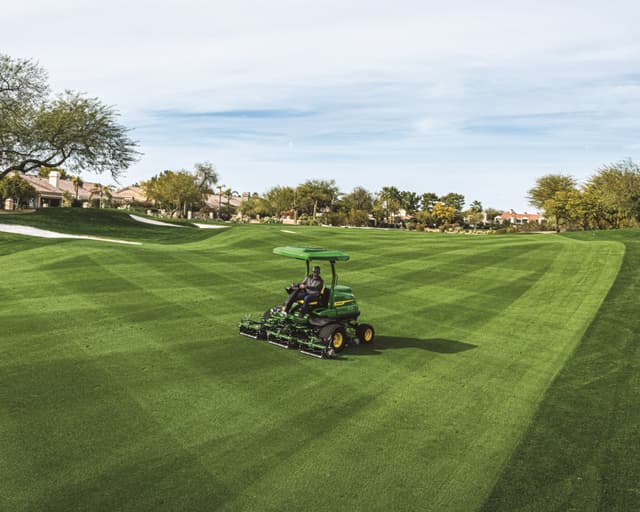
Proper winter maintenance relies on having the right equipment that’s ready to perform. Fairway mowers like the John Deere ZTrak series deliver consistent cut quality even during slower growth periods.
Riding greens mowers become especially important during winter when maintaining proper green speeds requires frequent, light cuts rather than aggressive mowing.
Aeration equipment plays a critical role in winter preparation. Fall aeration helps soil absorb water, reduces compaction from cart traffic, and creates an environment where overseeded grass can establish strong roots. The Aercore line of aerators offers options from walk-behind units for greens to tractor-mounted models for fairways and roughs.
Before winter arrives, take time to inspect and service your fleet. A well-maintained machine performs better and avoids costly breakdowns during important maintenance windows.
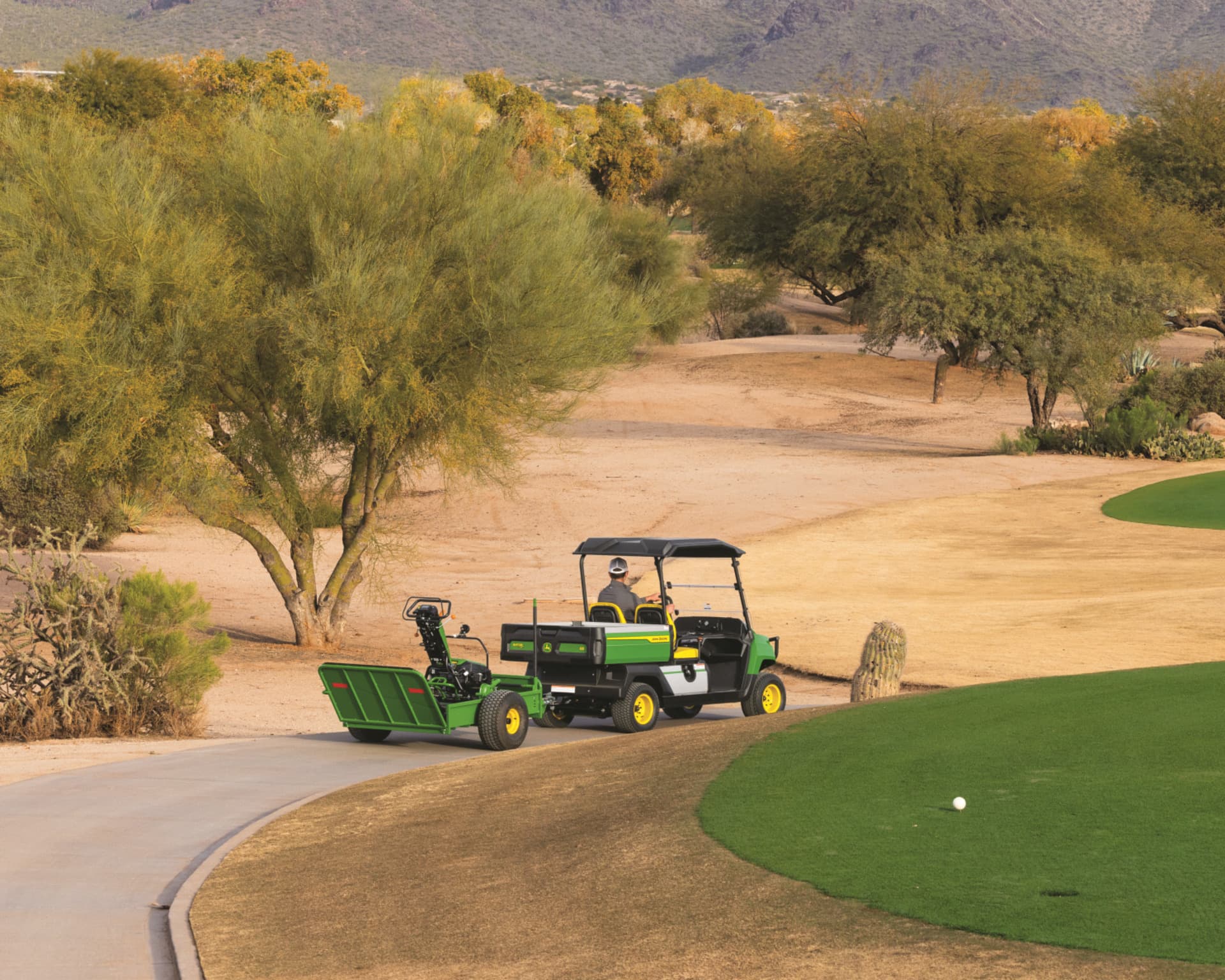
Reduced turf growth during winter means slower recovery from traffic damage. Consider cart path restrictions during wet periods to protect fairways and prevent compaction. Gator utility vehicles can help staff move quickly between maintenance tasks without the repeated traffic patterns that create wear.
Monitor soil conditions before operating heavy equipment. Frozen or saturated turf is more susceptible to damage from maintenance activities. Scheduling aeration, verticutting, and topdressing around weather patterns helps protect turf while still accomplishing necessary work.
Winter provides an excellent opportunity for equipment planning and maintenance scheduling. Review last season's challenges and identify equipment needs before spring arrives. Ordering parts and scheduling service during slower months ensures your fleet is ready when growth resumes.
Visit any Belkorp Ag location across the Central Valley to discuss your winter maintenance needs. Our team understands the specific challenges California golf courses face and can help you select the right equipment to keep your course in top condition through every season.