
From Farm to Table: How Belkorp Ag Supports California’s Local Food Movement
7/16/2026
A crate of peaches sold at a Saturday market in Modesto often travels fewer than 50 miles from the orchard where it grew. The same goes for the tomatoes, almonds, and leafy greens that fill local stands and farmers markets across the region. The Central Valley grows close to a quarter of the food eaten in the United States, and a growing share of it now stays close to home, sold straight to families, restaurants, and small grocers nearby.
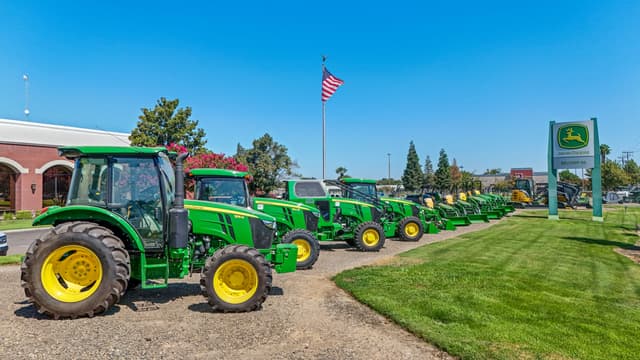
Belkorp Ag is proud to support California's local food movement. We help Central Valley growers of every size plant, tend, and harvest crops with reliable tractors, harvest machines, and attachments, so more fresh food can move from local fields to nearby tables. Here’s what you need to know about California’s local food movement, and how John Deere equipment and more fit into that space.
The local food movement connects the people who grow food with the people who eat it, with as few stops in between as possible. What that connection looks like is farmers markets, roadside stands, farm box programs, and direct sales to local restaurants and schools. The Central Valley is built for this kind of work. The region produces about 40 percent of the country's fruits and nuts, so even a small slice sold close to home adds up to fresh, seasonal food for the communities around our eight Belkorp Ag locations.
Fresh food runs on tight timing. A tomato picked at peak ripeness has a few days to reach a market before quality drops. Reliable equipment lets growers plant on schedule, keep fields healthy, and harvest the moment crops are ready. A 45-horsepower John Deere compact tractor can handle tilling, mowing, and hauling on a 20-acre farm, while the right harvest attachment can cut field time by 30 percent or more. When machines run when needed, less food is lost in the field, and more of it reaches local buyers at its best.

Growers who sell direct often manage many crops on smaller acreage, so versatile machines matter most. Here are the machines that tend to earn their keep on a local food farm:
Matching machine size to acreage saves money and keeps work moving. Use this as a starting point, then talk with our team about your crops.
Our lineup covers every stage of a local food operation. For market gardens and small plots, the 1 Series 1025R brings 23.9 horsepower in a sub-compact frame that handles loader work, mowing, and tight rows. As acreage grows, the 3 Series 3025E adds standard four-wheel drive and a hydrostatic transmission that keeps all-day chores simple, while the 4 Series steps up with more power and comfort for heavier tilling and hauling. Larger orchards and produce farms often reach for the 5E Series 5075E, a 73-horsepower utility tractor built for heavy fieldwork. To move tools, water, and freshly picked crops around the property, our Gator utility vehicles round out the fleet.
Local food starts with growers who have the right tools for the season ahead. Whether you farm a few acres for a weekend market or supply produce across the region, our team at any of our eight Central Valley locations can help you match equipment to your crops and your goals. Stop by, call us, or request a quote, and we will help you keep fresh food moving from your fields to the tables nearby.
| Operation Size | Suggested Equipment | Common Use |
|---|---|---|
| Under 10 acres | Sub-compact tractor, 22 to 35 horsepower | Market gardens, farm stands, CSA boxes |
| 10 to 40 acres | Compact tractor, 35 to 65 horsepower, with loader | Mixed produce, small orchards, restaurant sales |
| 40 acres and up | Utility tractor, 75 horsepower or more, plus harvest tools | Larger orchards, packing for regional markets |