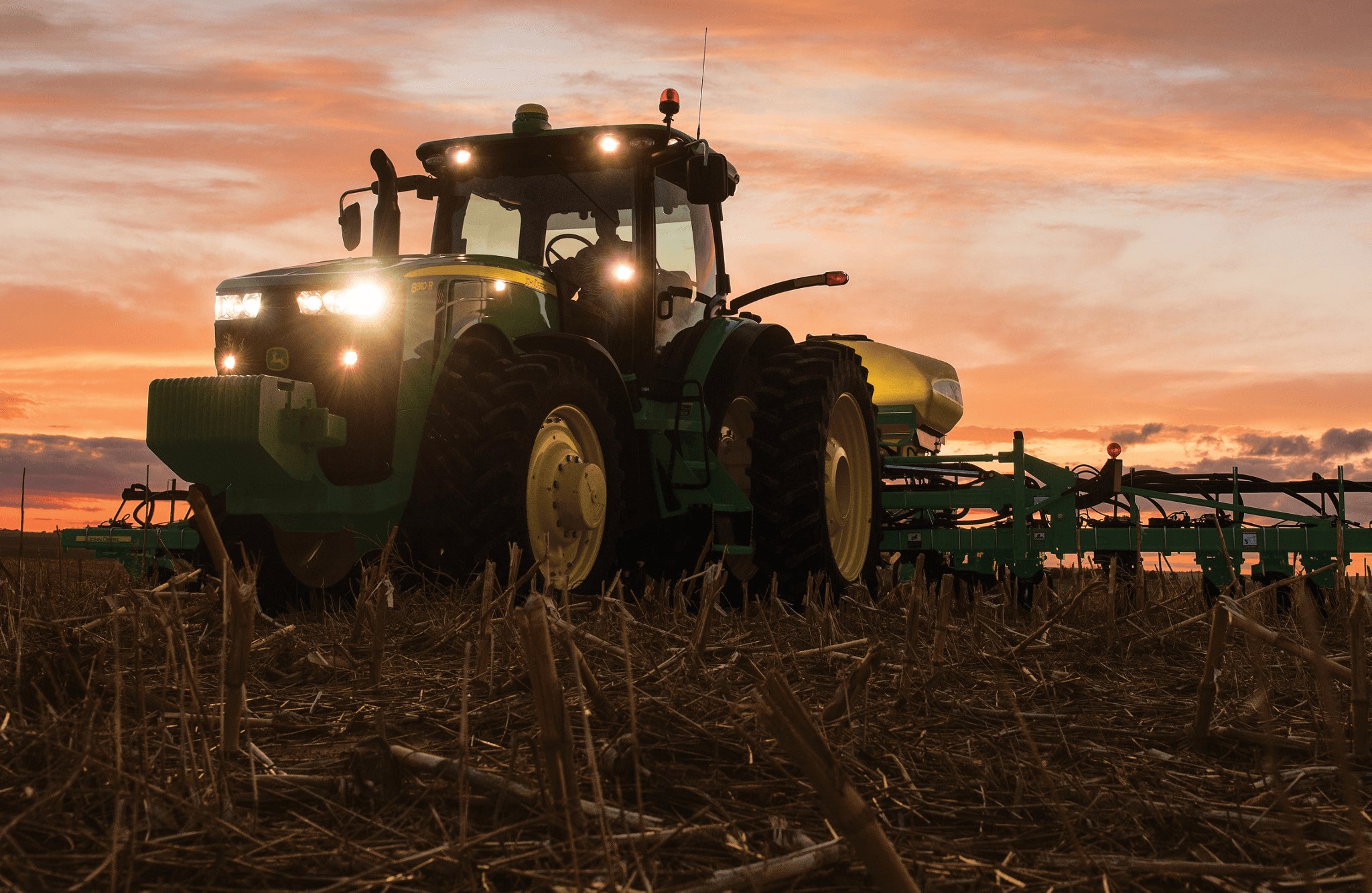
Fall Ground Prep in the Central Valley: Equipment Checklist for Post-Harvest
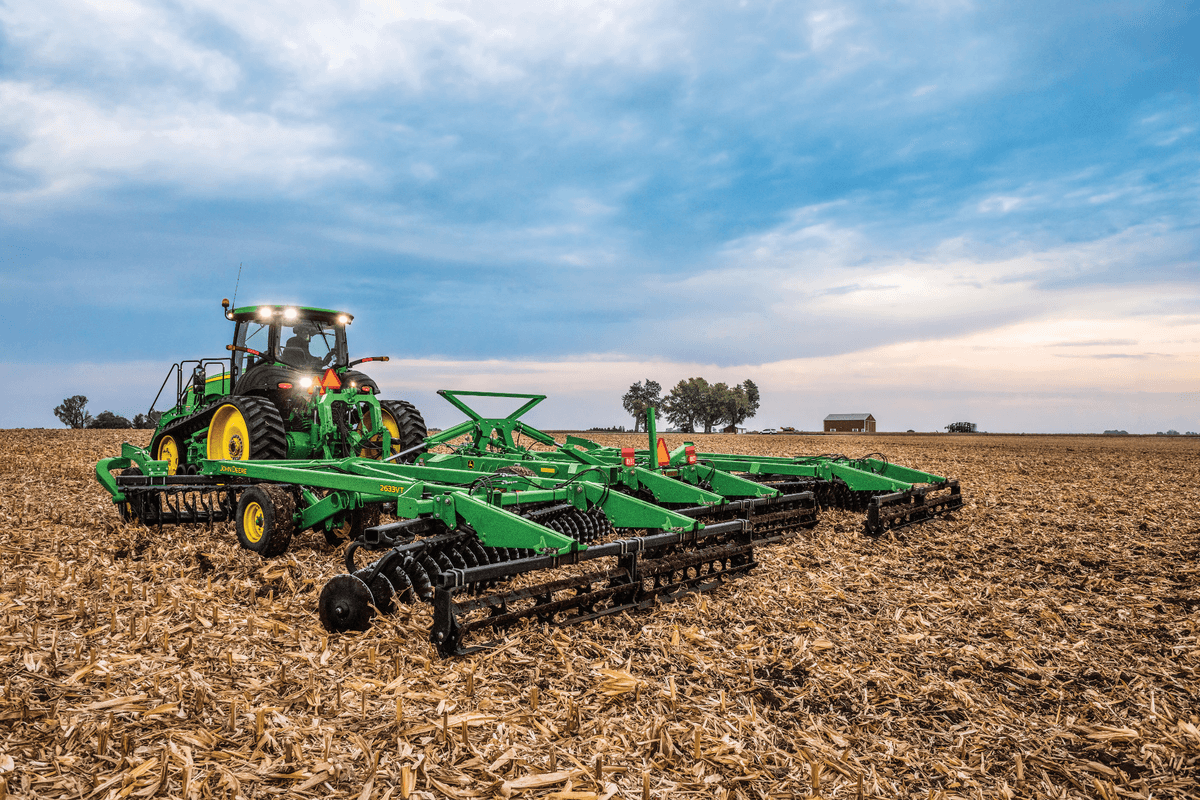
Belkorp Ag carries John Deere and Frontier tillage tools for every step of your post-harvest ground prep, from tillers to cultivators.
Why Fall Ground Prep Can't Wait in the Central Valley
After the harvest is over, most farmers are left with two problems: residue sitting on the surface and compaction from every loaded truck, cart, and tractor pass that crossed the field that season.
Once the ground dries down enough for you to use a tool on it, you have a short window. Miss it, and you'll be waiting for the weather to change again in the spring.
You need to make preparations now for the crops you’ll be planting in the spring, like tomatoes, silage corn, and cotton. For perennial crops like nut orchards, floor management and clearing out debris can be just as important as seedbed prep for your other crops.
The Post-Harvest Ground Prep Checklist
Here are a few simple steps that you can take right now to prepare your fall post-harvest ground for a successful spring planting season.
Step 1 — Sizing and Mixing What Harvest Left Behind
Large residue that sits on the surface all winter breaks down slowly and gets in the way when it’s time to plant. Cutting that residue down to size and mixing it into the top few inches speeds up the breakdown process.
Two kinds of tools handle most of the work.
A high-speed disk covers a lot of ground quickly. Disks cut residue and mix it into the soil in a single pass, and they leave an even surface behind. If you have a lot of acres and a short window, that speed matters as much as the finish does.
A mulch tiller takes a different approach. Coulter gangs size residue and work it in while the shanks loosen soil below, so you get residue management and light primary tillage together.
Which one fits depends on your acreage, your residue load, and how much horsepower you have to pull it. Your Belkorp Ag salesperson can walk you through the options on the lot.
Step 2 — Breaking Compaction Before Winter Rain
Compaction is the damage you can't see from the cab. A ripper cuts through the hard layer, so roots and water can move down through the soil again.
Which ripper you want depends on what you need to happen at the surface.
If you'd rather keep residue on the surface through winter, a minimum-till ripper is the better fit. These tools go after compaction below while leaving the top mostly undisturbed, which helps hold soil in place when the rain comes.
Neither approach is the better one. It comes down to whether you want residue worked in or sitting on top.
Step 3 — Leveling and Finishing the Seedbed
The last pass of fall sets up your spring. Ground that goes into winter level and uniform gives you less to fix when it's time to plant.
A field cultivator is the usual finishing tool. Wide models follow the ground’s contour and stay level across the full working width, while rolling baskets let you dial in the surface finish.
For fields that need a full turnover, a reversible plow moves soil cleanly and lets you work back and forth without leaving dead furrows.
For reduced-tillage operations, strip-till machinery targets only the precise seed band, leaving inter-row soil untouched.
Smaller Blocks and Orchard Rows
If you farm a smaller block or work between orchard rows, full-size tillage tools are more machine than you need for small spaces.
Compact and utility tractor implements handle the same jobs at a smaller scale. Rotary tillers break up and mix the top few inches, small plows turn soil on tight ground, and both reach places a wide tool can't. Most hook up with a quick-attach hitch, so switching between tools takes minutes.
Matching the Tractor to the Tool
A tillage tool only works as well as the tractor pulling it. Match horsepower and hitch capacity to the implement before you buy either one.
Three tractor tiers cover most operations you’ll find in California:
Your Belkorp Ag salesperson can size this with you if you're buying the tractor and the tool together.
Find the Right Equipment at Belkorp Ag
Talk to your local Belkorp Ag store before the ground dries down too much this fall. Our team knows what runs well in Central Valley soil, and we can walk you through what fits your acreage and your tractor.
Fall Ground Prep FAQs
When should I start fall ground prep in the Central Valley?
Start once the ground has dried enough to hold a tool without smearing, and finish before the first steady winter rain. That window is short in the Central Valley. Most growers move in right behind the harvest crew rather than waiting, because wet ground shuts the door on tillage until spring.
Do I need to rip every year?
No. Ripping is a fix for compaction, not a yearly habit. Look at where the traffic went this season. Headlands, field edges, and any lane a loaded cart or truck used are the spots that usually need it. If your ground still takes water well, you can skip a year and save the fuel.
What's the difference between a disk ripper and a minimum-till ripper?
Can I do fall ground prep with a compact tractor?
Yes, at a smaller scale. Full-size disks and rippers need high-horsepower tractors, but Frontier implements are built for compact and utility machines. The RT23 Series Rotary Tiller holds working depth with adjustable skid shoes, and the PB10 Series Plows hook up with an iMatch hitch.